Brussels, its people, and their neighbourhoods
Een festijn van Brusselse (kort)films over stadsleven & gentrificatie, verbouwen & verwerken, ruimtelijke ordening & tijdelijke dromen.
Dit filmfestijn bestaat uit verschillende blokken met korte en lange films. Kortfilms worden meerdere keren vertoond. Langspeelfilms worden één keer vertoond.
Alle films hebben Engelse ondertitels, behalve Bains publics en Je suis votre voisin.
gedetailleerd programma per dag
Fri 23.01 >>
Sat 24.01 >>
Tue 27.01 >>
Wed 28.01 >>
Thu 29.01 >>
Fri 30.01 >>
Sat 31.01 >>
volledig programma
KORTFILMS 1 - LOOKING (FOR)
Nettoyer Schaerbeek (Farah Kassem, 2017) 19min
Tijdens een periode van hoge terreurdreiging in Brussel, merkt een inwoner van Schaarbeek iets ongewoons op voor haar raam.
Waiting Working Hours (Ben De Raes, 2019) 16min
In een straat in Brussel waar dagloners op zoek zijn naar werk, vermengen de stemmen van de arbeiders zich met beelden van Google Street View en vormen ze samen een dialoog over arbeid, economie en het leven.
Boulevard d'Ypres / Ieperlaan (Sarah Vanagt, 2010) 65min
Sarah Vanagt veranderde een van de leegstaande winkels aan de kleurrijke Boulevard d'Ypres in Brussel in een filmstudio en nodigde haar buren – een mix van nieuwe inwoners, asielzoekers en winkeliers – uit om een verhaal te komen vertellen, een hedendaags sprookje dat knipoogt naar Duizend-en-een-nacht.
Krakeel (Mattijs Driesen, 2017) 20min
In de Brusselse wijk Krakeel, waar grote flatgebouwen geleidelijk worden gerenoveerd, hangen de jongeren Soufian en Yasin rond en denken ze na over hun leven in een stad en in een enorme wereld.
LANGSPEELFILM 1 - HERE
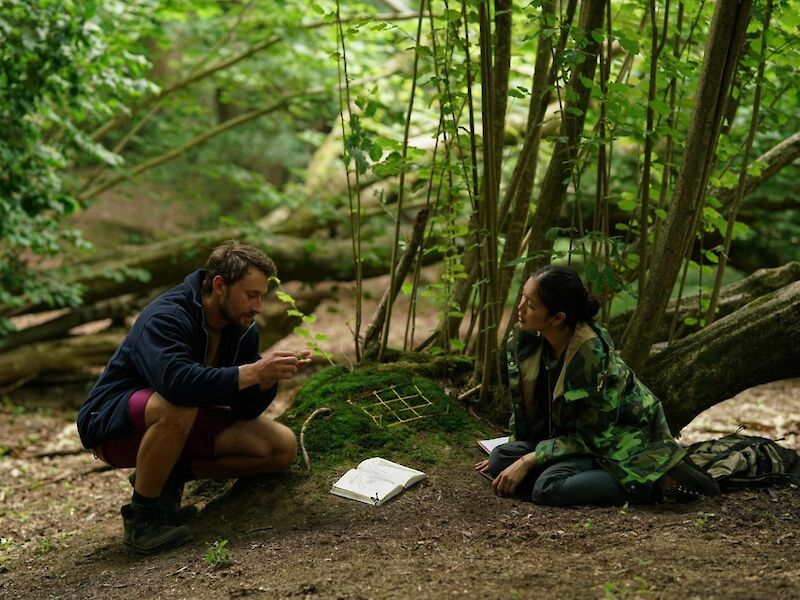
Here (Bas Devos, 2023) 1h24min
Stefan, een Roemeense bouwvakker die in Brussel woont, staat op het punt om terug te keren naar zijn thuisland wanneer hij een Belgisch-Chinese jonge vrouw ontmoet die een doctoraat doet over mossen, waardoor hij zijn plannen bijstuurt.
KORT & LANG - WANDER/WONDER
In attesa di una tempesta solare (Evi Cats, 2023) 24min.
Een verdwaalde vrouw op pad door Brussel, op zoek naar een bekend gezicht. Wanneer een mysterieuze man haar vertelt over een voorspelde zonnestorm, valt de vreemde dag op onheilspellende wijze op zijn plaats.
Kapital Europe (Ben De Raes, 2025) 1h30min
Tijdens een hete zomer banen twee migrantenarbeiders zich een weg door Brussel. De metropool, tegelijkertijd uniek en generiek, wordt achtervolgd door de geesten van het kapitaal en het verzet – maar wie heeft de sleutel in handen?
LANG 2 - KOSMOS
Kosmos (Ruben Desiere, 2014) 61min
Tot november 2013 bood het Gesù-klooster in Brussel onderdak aan ongeveer 250 mensen, waaronder een aantal Roma-gezinnen uit Slowakije. In de aanloop naar hun dreigende uitzetting werkte Ruben Desiere maandenlang samen met oude en nieuwe bewoners aan deze film, losjes gebaseerd op het gelijknamige boek van de Poolse auteur Witold Gombrowicz.
KORT 2 - FOR(MER) YUGOSLAVIA
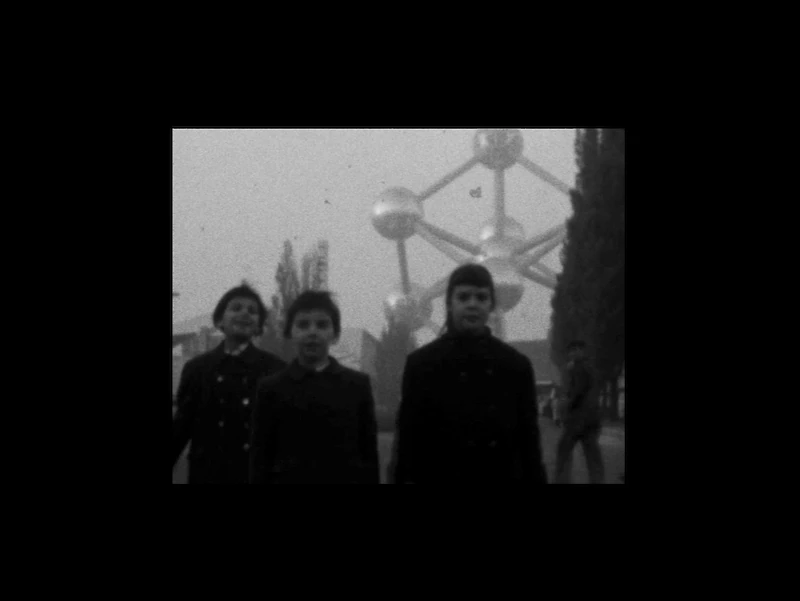
Papagalo, what’s the Time? (Ingel Vaikla, 2022) 7min
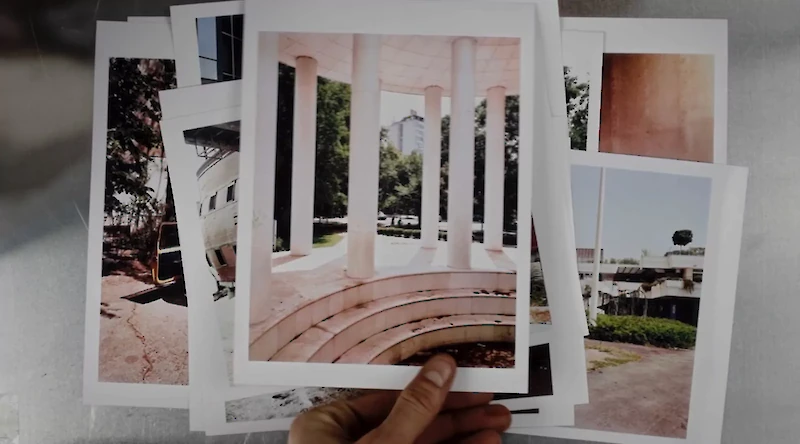
In het voormalige Joegoslavische paviljoen van de Wereldtentoonstelling in Brussel (1958), dat naar Wevelgem werd verplaatst en het Sint-Pauluscollege werd, speelt een groep kinderen oude Joegoslavische kinderspelletjes, waardoor een poëtische wisselwerking ontstaat tussen de modernistische architectuur en de bewegende lichamen.
Fantasmagoria (Merlijn Beullens, 2025) 15min
Aan de hand van beelden uit Skopje (Macedonië) en Brussel onderzoekt Fantasmagoria de spanningen rond het controversiële project Skopje 2014, dat het stadsbeeld hervormde met neoklassieke gevels en monumentale standbeelden. Hoe functioneren zo'n ingrepen als propaganda? En hoe worden ze ervaren door bewoners, kunstenaars en architecten?
LANG 3 - BAINS PUBLICS
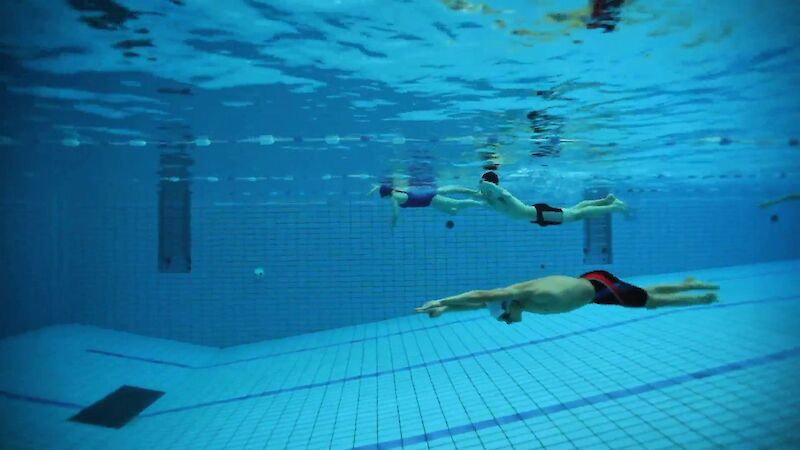
Bains Publics (Kita Bauchet, 2018) 60min
Bijna 65 jaar na hun inhuldiging blijven de Bains de Bruxelles in de Marollen de bewoners een ontspannende en gezonde omgeving bieden voor alle leeftijden, achtergronden en sociale klassen. Een illustratie van een smeltkroes die egalitair lijkt, maar in werkelijkheid veel complexer is.
KORT 3 - NEIGHBOUR(HOOD)S
Floréal (Thierry De Mey, 1985)
Ontdek de Brusselse tuinenwijk Floréal door de lens van een filmmaker die er zijn jeugd doorbracht. Een korte film die de relatie tussen architectuur en bewoners vastlegt terwijl de premoderne architectuur tot leven komt, ondersteund door ritmische muziek.
Je suis votre voisin (Karine de Villers, Thomas de Thier, 1990)
In een rustige Brusselse straat filmen twee filmmakers hun buren en leggen ze persoonlijke verhalen en alledaagse geheimen vast, vlak voor hun deur. Een interessant portret van hun diverse stad.
Les cheveux coupés (Emmanuel Marre, 2009)
In verschillende woonkamers in Brussel knippen ouders het haar van hun kinderen. We zijn getuige van intieme momenten tussen peuters die zich verzetten tegen of zich volledig overgeven aan het tedere ritueel en ouders die willen slagen in hun delicate taak.
Les gens du quartier (Jean Harlez, 1955)
Een oude kokosnoothandelaar baant zich een weg door de drukke marktpleinen van de Marollenwijk met een grote drankautomaat op zijn rug, en schenkt drop-limonade aan de lokale bevolking. Een kostbaar document van het stadsleven in het Brussel van het midden van de vorige eeuw.
KORT 4 - LES FILMS DE LA MAISON
Les films de la maison is ontstaan uit de ogen en handen van de beweging La Voix des Sans-Papiers en de twee filmmakers Mieriën Coppens en Elie Maissin. Ze maken een verzameling films die niet alleen een strijd in beeld brengen, maar ook de contouren schetsen van een huis – een plek die samen gebouwd moet worden. Als al deze films op een dag zouden worden samengevoegd, zouden we dit huis eindelijk van binnen kunnen zien. La Voix des Sans-Papiers werd opgericht in 2014. Sindsdien hebben ze ongeveer twintig bezettingen in Brussel georganiseerd.
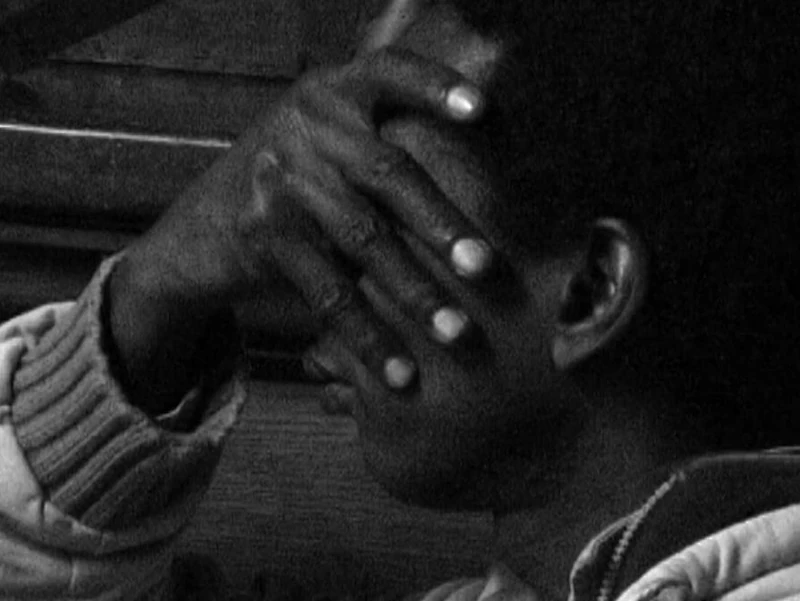
Carry On (Mieriën Coppens, 2017)
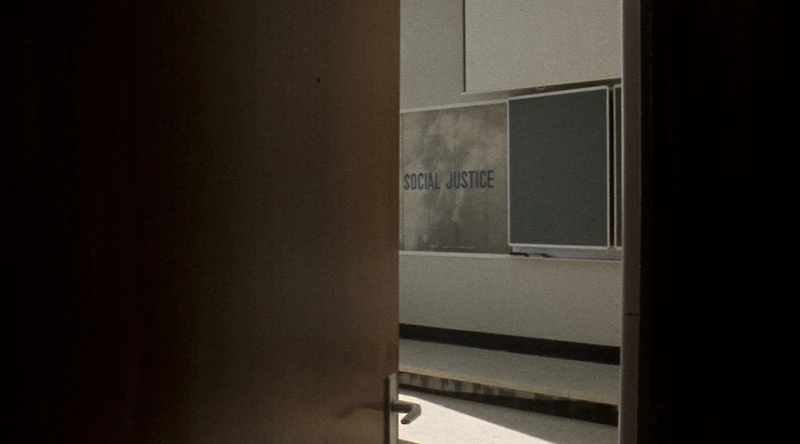
In deze stomme film wordt een groep mensen zonder geldige verblijfsdocumenten van dichtbij gevolgd. De afwezigheid van geluid benadrukt het contrast tussen hun rustige aanwezigheid en de intense, vaak onzichtbare druk waaronder ze gebukt gaan.
Et leurs lettres (Elie Maissin, Mieriën Coppens, 2023)
Honderden dagvaardingen komen aan in het gekraakte gebouw van La Voix des Sans Papiers. Kandé en Taslim sorteren en verdelen de brieven zorgvuldig onder de bewoners, die later voor de rechter zullen verschijnen. In de gangen van het gerechtsgebouw weerklinkt het geluid van een bezetting.
La maison (Elie Maissin, Mieriën Coppens, 2019)
In het huis van La Voix des Sans Papiers in Brussel verzamelen de leden zich in de gang voor een vergadering die de hele nacht zal duren. Een directe en intieme confrontatie met de leefomgeving van mensen zonder papieren in Brussel.
LANG 4 - BRUXELLES-TRANSIT
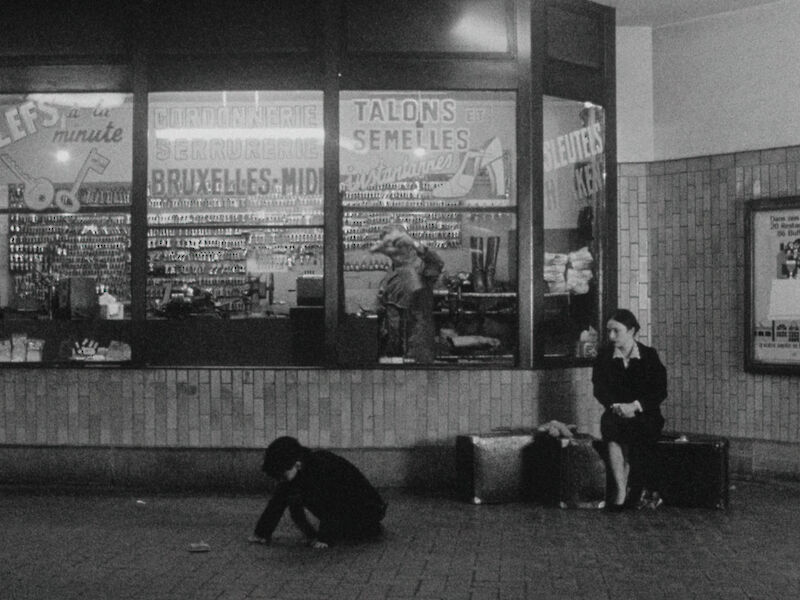
Bruxelles-transit (Samy Szlingerbaum, 1980) 1u20min
De enige langspeelfilm van Samy Szlingerbaum, in het Jiddisch, vertelt het verhaal van zijn Pools-Joodse ouders die in 1947 in België aankwamen – hun pogingen om een thuis te bouwen, hun zoektocht naar illegaal werk en hun inspanningen om te integreren in het land van hun ballingschap, zonder papieren en zonder enige kennis van de taal. Samy werd twee jaar later geboren.
Alle films hebben Engelse ondertitels.
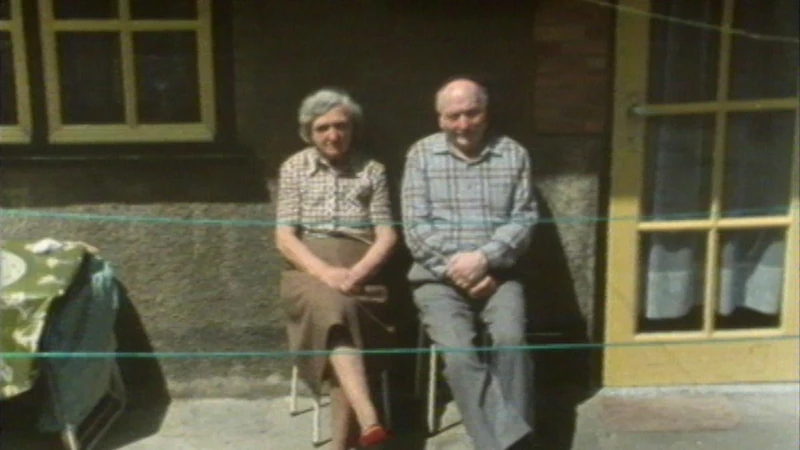
image 1 - Carry on (Mierien Coppens)
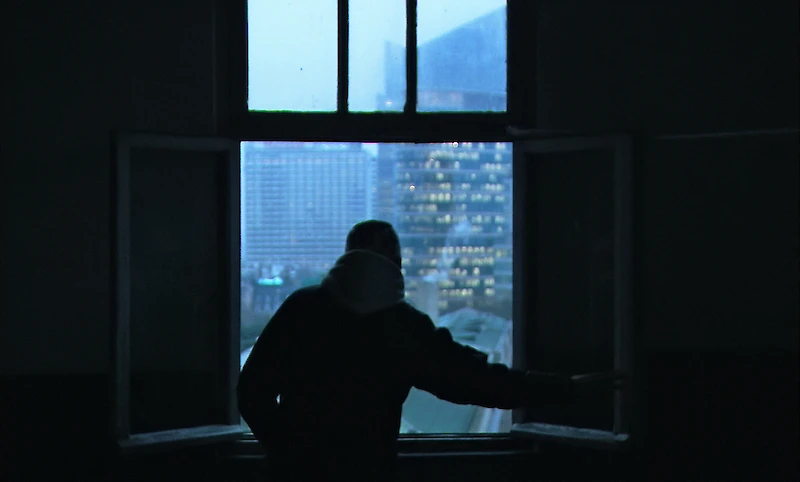
image 2 - Papagalo (Ingel Vaikla)