Nagisa Ōshima — Max mon amour
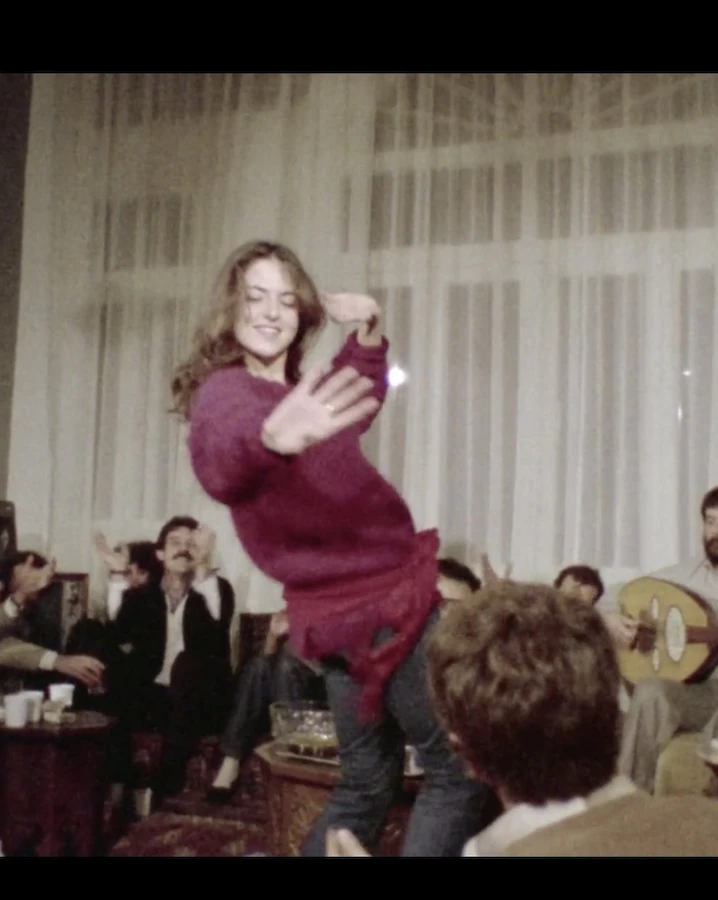
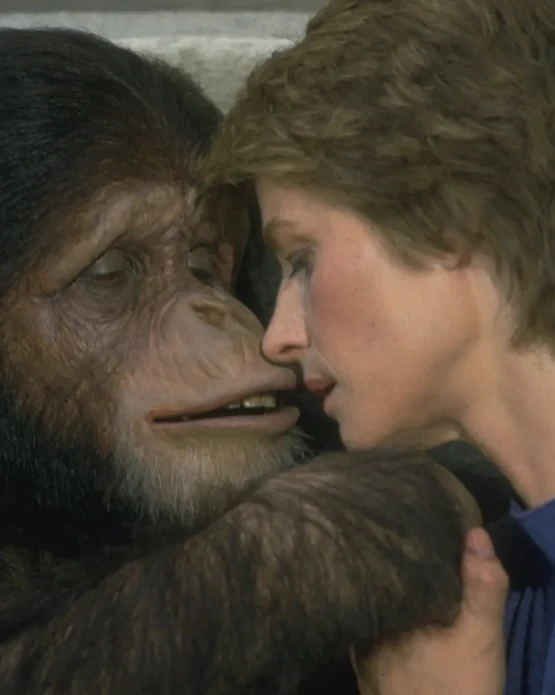
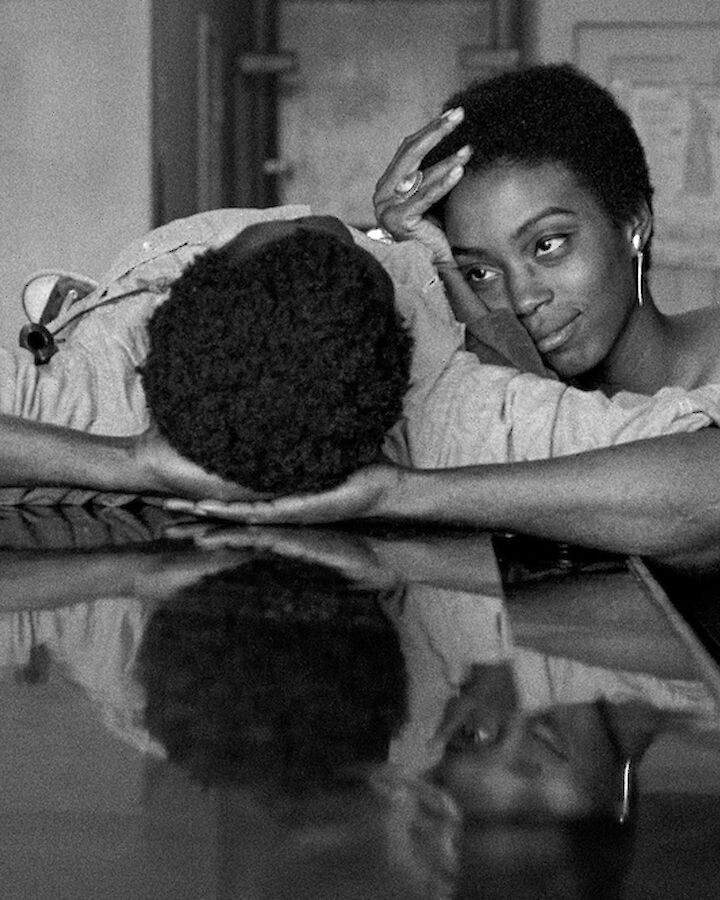
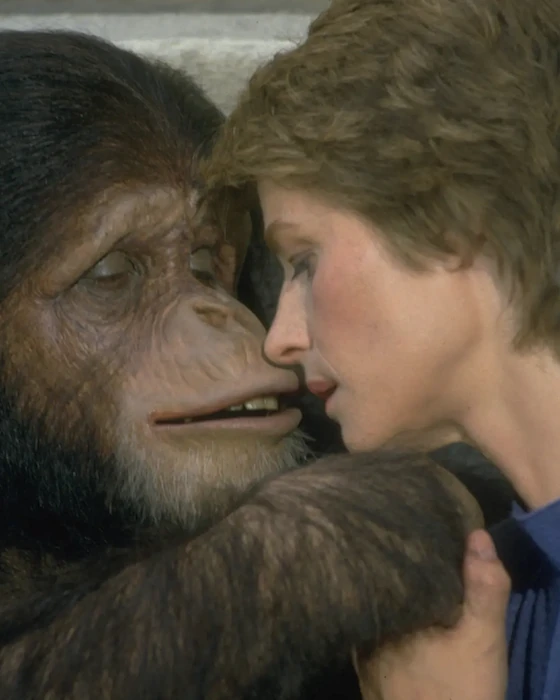
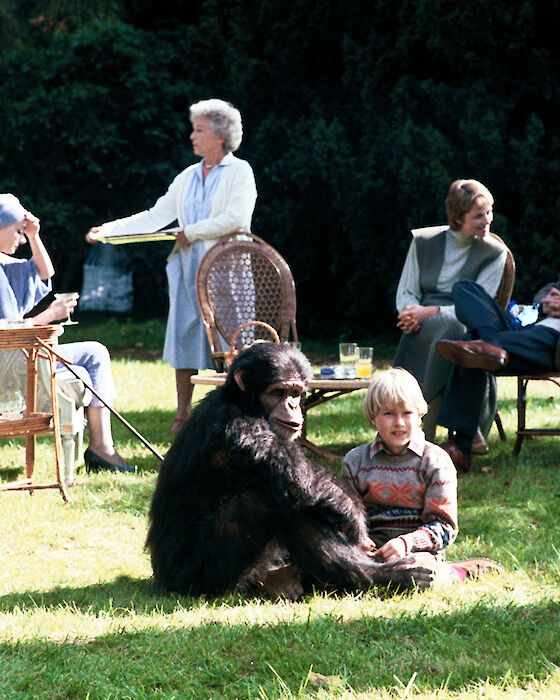
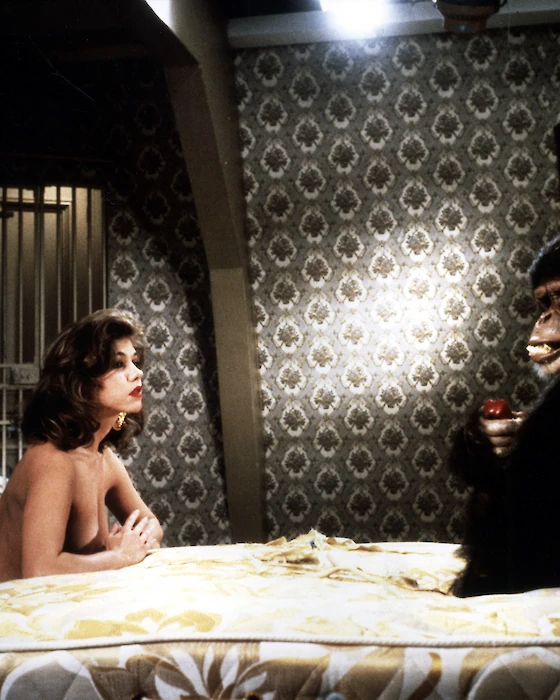
De echtgenote van een Britse diplomaat in Parijs neemt een chimpansee als minnaar.
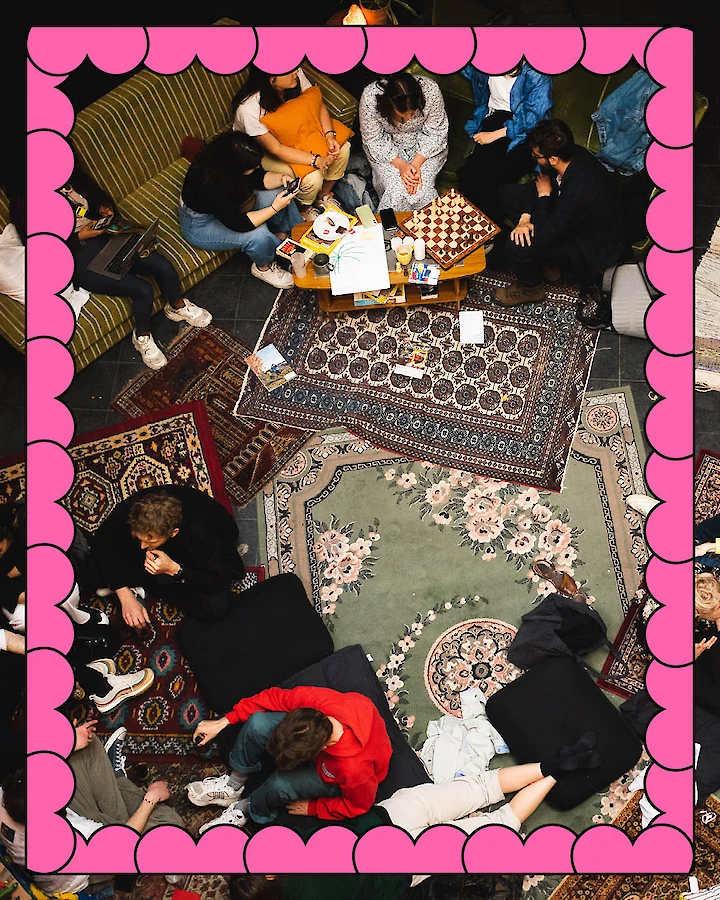
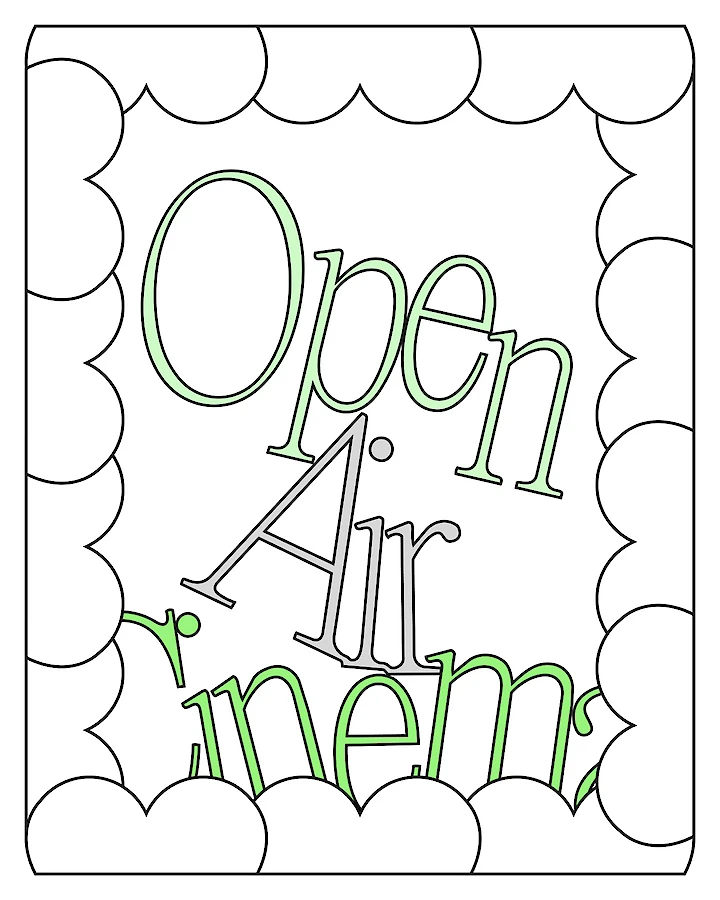
in case of rain we move indoors </3
“Is liefde enkel mogelijk tussen leden van dezelfde diersoort? Of kan een paard verliefd worden op een slang, of op een kersenboom?”, dit vraagt Peter zich af nadat zijn vrouw Margaret haar minnaar Max in huis genomen heeft. Peter en Margaret hebben een open relatie. Het stel behoort tot de intellectuele elite en ze kunnen elkaar in alle redelijkheid niets verbieden. Vanuit hun bevoorrechte positie kijken ze neer op het kleinburgerlijke idee van monogamie. In hun geordende huwelijk is liefde voor een ander mogelijk. Maar de definitie van ‘de ander’ wordt nu tot het uiterste gedreven. Max is namelijk een chimpansee.
— Nina de Vroome in “Verlangen naar de ander” voor Sabzian (2017)
over
“Mijn afkeer van Japanse cinema geldt voor absoluut alle Japanse cinema.”
— Nagisa Ōshima
Nagisa Ōshima, boegbeeld van de Japanse Nuberu Bagu (Nouvelle Vague), was een radicale filmmaker, schrijver en linkse activist die thema’s als jeugdrebellie, raciale en klassendiscriminatie en seksuele taboes aan de kaak stelde, met een uitgesproken stijl en symboliek. Ōshima hield zich vooral bezig met het weergeven van de tegenstrijdigheden en spanningen in de naoorlogse Japanse samenleving. Zijn films legden vaak het hedendaagse Japanse materialisme bloot, terwijl ze ook onderzochten wat het betekent om Japans te zijn in het licht van de snelle industrialisering en verwesterlijking.
Later keerde Ōshima zich voor de productie van zijn films meerdere malen naar het buitenland. Dat was het geval bij zijn voor de Palme d’Or genomineerde, queer-getinte soldatendrama “Merry Christmas Mr Lawrence” (1983, met David Bowie in de hoofdrol en een BAFTA-winnende soundtrack van Ryuichi Sakamoto) en bij de film van vanavond, “Max mon amour” (1986). In 2013 overleed de regisseur aan de gevolgen van een longontsteking en liet hij een oeuvre na dat bestaat uit televisiewerk, korte films en 23 speelfilms.
97min
France 1986
Colour
Language: FR & ENG
Subtitles: ENG
Director: Nagisa OSHIMA
Screenplay: Jean-Claude CARRIERE
Screenplay: Nagisa OSHIMA
Cinematography: Raoul COUTARD
Music: Michel PORTAL